
A woven bag is more than a practical accessory. Its texture, structure, and material all contribute to the way it looks and feels, whether you're heading to the beach, exploring a new city, or putting together a relaxed everyday outfit. From natural straw totes to soft cotton designs, different weaving materials offer distinct styles and practical benefits.
Understanding what goes into a woven bag can make choosing the right one much easier. Some materials create a crisp, structured silhouette, while others offer a softer finish with a more casual feel. In this guide, we'll explore the most common woven bag materials, explain their key characteristics, and help you find a style that suits your wardrobe and lifestyle.
1. Straw: A Classic Choice for Summer Bags
Straw is one of the most recognizable materials used in summer handbags and tote bags. Its natural appearance and textured surface make it a popular choice for beach outings, vacations, and warm-weather styling.
A straw tote bag pairs naturally with linen clothing, flowing dresses, sandals, and lightweight resort wear. Depending on the weave and construction, it can have a firm, defined shape or a more relaxed silhouette.
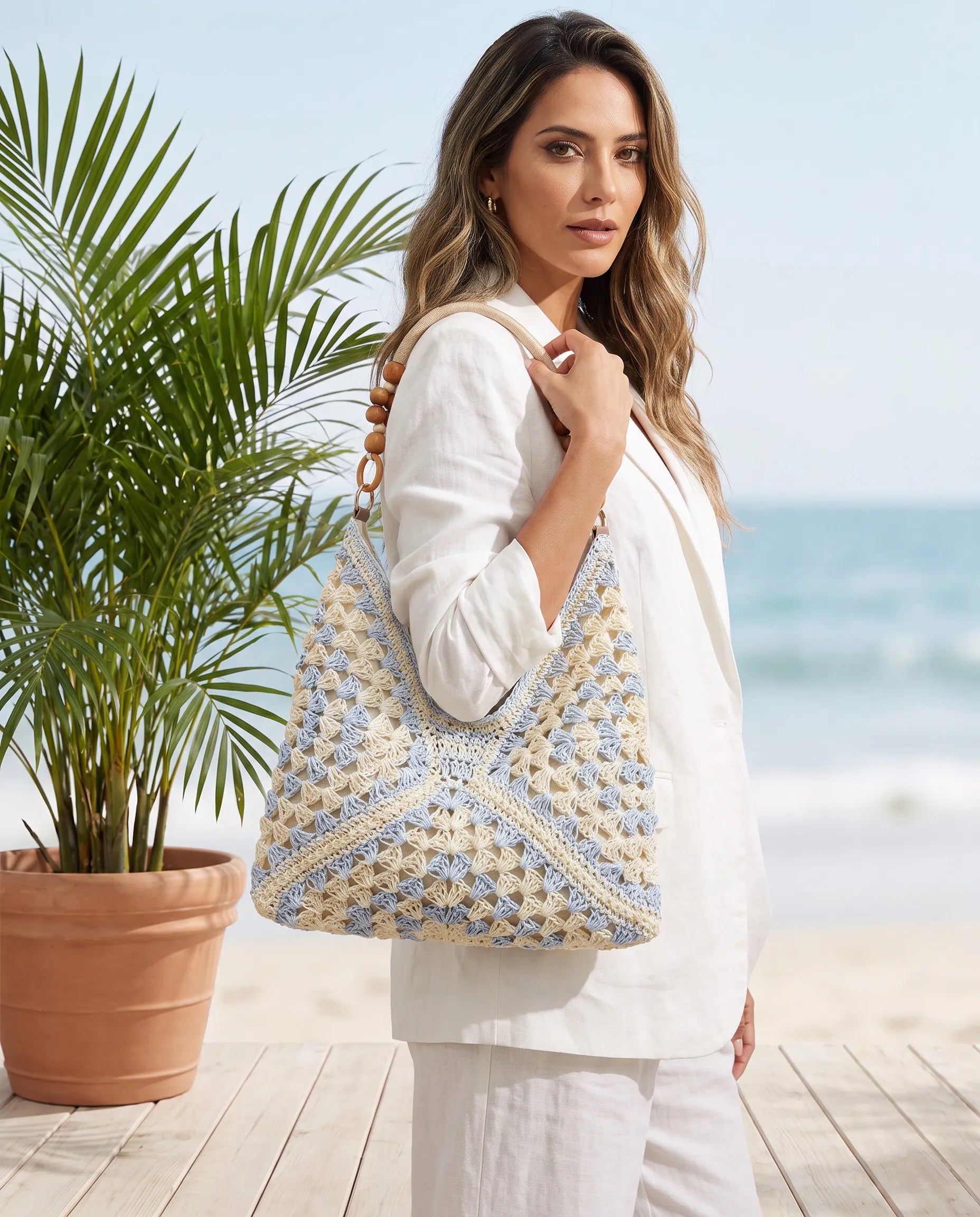
What makes straw bags appealing?
- Distinctive texture: The visible fibers create a natural, handcrafted look.
- Summer styling: Straw bags complement beachwear, resort outfits, and casual seasonal clothing.
- Versatile designs: Options range from spacious beach totes to compact handbags and structured top-handle bags.
- Natural color palette: Beige, tan, honey, and other earthy shades are easy to coordinate with neutral outfits.
Straw is not a single uniform material. Different plant fibers and manufacturing methods can produce different levels of flexibility, texture, and durability. Some straw bags may also contain synthetic components, linings, or decorative materials.
Best for: Beach days, summer holidays, picnics, and relaxed seasonal outfits.
Care tip: Brush away loose dirt gently and keep natural straw bags away from prolonged moisture. Follow the manufacturer's care instructions, especially if the bag includes dyed fibers or decorative details.
2. Raffia: Natural Texture with a Relaxed, Refined Look
Raffia is valued for its distinctive natural texture and flexibility. It comes from the leaves of certain palm species and is widely used in accessories, including woven handbags, summer hats, and decorative baskets.
Compared with some coarser straw weaves, raffia can create a softer-looking surface with an artisanal character. Depending on how it is processed and woven, it may form anything from a flexible tote to a more structured handbag.
Raffia bags work especially well with linen trousers, cotton dresses, neutral separates, and understated resort outfits. Their organic texture adds visual interest without requiring bold colors or elaborate embellishments.
Why choose a raffia woven bag?
- Artisanal appearance: Natural variations in the fibers give the weave visual depth.
- Flexible styling: Raffia designs can suit casual outfits, vacation wardrobes, and relaxed summer occasions.
- Textural interest: The material adds dimension to simple clothing combinations.
- Varied silhouettes: Raffia can be used in shoulder bags, totes, clutches, and smaller handbags.
The finished bag's structure depends on the raffia fibers, weaving technique, stitching, and any reinforcement used. Not every raffia bag has the same flexibility or resistance to wear.
Best for: Resort dressing, weekend outings, summer lunches, and bohemian-inspired looks.
Care tip: Use a soft brush or dry cloth for routine cleaning. Avoid pulling loose fibers, soaking the bag, or exposing it to excessive humidity for extended periods.
3. Cotton: Soft, Lightweight, and Everyday-Friendly
Cotton is a versatile option for woven bags, particularly when a softer feel and relaxed appearance are priorities. It can be used alone or blended with other fibers, such as linen, to create different textures and finishes.
Cotton woven tote bags often have a more casual character than rigid straw designs. Open-knit constructions can feel airy and flexible, while tighter weaves may provide a more substantial appearance.
A cotton tote is easy to incorporate into everyday outfits. Pair it with denim, a simple T-shirt, casual dresses, or lightweight knitwear for an understated look that works beyond the beach.
Key characteristics of cotton woven bags:
- Soft texture: Cotton fibers can create a comfortable, flexible surface.
- Relaxed appearance: The material suits casual outfits and everyday accessories.
- Varied weave patterns: Cotton can be used in open-knit, tightly woven, and mixed-material designs.
- Lightweight options: Many cotton totes are convenient for carrying daily essentials, depending on their construction.
One important consideration is that cotton can absorb moisture and may stretch or lose its shape when wet or overloaded. An open-knit cotton bag may also allow small items to slip through the weave, making a lining or organizer useful.
Best for: Shopping, daily errands, casual outings, and lightweight everyday carry.
Care tip: Check the care label before washing. Some cotton bags can tolerate gentle cleaning, while lined or structured designs may require spot cleaning to preserve their shape.
4. Linen Blends: A Subtle, Textured Alternative
Linen is made from flax fibers and is often blended with cotton or other materials in woven accessories. In a woven bag, a cotton-linen blend can offer a slightly textured finish with a relaxed, natural appearance.
These bags fit well with minimalist wardrobes and understated summer styling. Ivory, beige, oatmeal, and other muted colors emphasize the fabric's texture and work well with linen clothing, wide-leg trousers, and simple sandals.
What to expect from cotton-linen woven bags:
- Natural-looking texture: The blend can create a subtle, irregular surface.
- Casual elegance: Neutral colors and simple silhouettes suit everyday and vacation outfits.
- Flexible designs: The material may be used for soft totes, open-knit bags, and fabric-panel combinations.
- Material-dependent structure: The proportion of each fiber and the weaving method influence the finished bag's feel.
Linen blends are not necessarily stronger or more durable than every other woven material. Construction, stitching, lining, and handle attachment all affect how well a bag performs over time.
Best for: Minimalist outfits, everyday shopping, weekend trips, and relaxed summer dressing.
Care tip: Follow the manufacturer's instructions and avoid aggressive scrubbing, particularly on open-knit or loosely woven designs.
5. Paper-Based Weaves: Lightweight with a Distinctive Finish
Some woven bags are made from paper-based fibers or processed paper yarns. These materials can be shaped into a variety of textures and silhouettes, making them useful for seasonal totes, decorative handbags, and lightweight accessories.
Paper-based woven bags often have a distinctive, dry texture that resembles natural straw. However, their performance depends on the specific paper fiber, any coating or treatment, and the construction method.
Potential advantages include:
- Textural variety: Paper yarn can be woven into different patterns and surface finishes.
- Lightweight construction: Certain designs are easy to carry when packed with everyday essentials.
- Seasonal appeal: The natural-looking finish works well with summer clothing and resort-inspired accessories.
- Design flexibility: Paper-based fibers can be used in different shapes, colors, and weave densities.
The main consideration is moisture sensitivity. Some paper-based materials can weaken, distort, or lose their finish when wet, so they may require more careful handling than a washable textile bag.
Best for: Light shopping trips, summer styling, and occasions when a lightweight decorative bag is suitable.
Care tip: Keep paper-based woven bags dry, avoid soaking them, and store them away from damp areas. Check the product description to confirm the actual material composition.
6. Synthetic Fibers: Versatile Designs and Varied Performance
Synthetic fibers, including polyester and polypropylene, are also used to create woven-look bags. Depending on the fiber and manufacturing method, these materials can be designed to resemble natural straw, create uniform patterns, or provide a more structured finish.
Synthetic woven bags come in a broad range of colors, textures, and shapes. They may be suitable for everyday shopping, travel, and seasonal outfits, depending on the construction and intended use.
What to consider when choosing a synthetic woven bag:
- Consistent appearance: Manufactured fibers can create regular patterns and uniform colors.
- Design flexibility: Synthetic materials can be produced in different textures, finishes, and color combinations.
- Care requirements: Some synthetic bags are easier to wipe clean, but this depends on the material and any added coating.
- Construction quality: Reinforced handles, secure stitching, and a well-made base are important regardless of fiber type.
Synthetic materials do not automatically make a bag waterproof or more durable. Water resistance, colorfastness, and abrasion resistance depend on the specific material and how the bag is manufactured.
Best for: Everyday accessories, travel, shopping, and shoppers who prefer a particular color or finish.
Care tip: Use a soft cloth and a mild cleaning method approved by the manufacturer. Avoid assuming that a synthetic woven bag can be machine-washed or exposed to high temperatures.
7. Straw vs. Raffia vs. Cotton: Which Material Should You Choose?
The right material depends on how you intend to use your bag, the look you prefer, and how much maintenance you're comfortable with.
| Material | Appearance | Typical feel | Suitable uses |
|---|---|---|---|
| Straw | Natural, textured, often structured | Varies from firm to flexible | Beach trips, vacations, summer outfits |
| Raffia | Organic, artisanal, textured | Often flexible, depending on the weave | Resort wear, casual outings, summer handbags |
| Cotton | Soft, relaxed, textile-like | Usually flexible | Shopping, everyday use, casual outfits |
| Cotton-linen blend | Subtle texture, understated | Depends on the blend and construction | Minimalist styling, weekend outings |
| Paper-based fibers | Dry, straw-like texture | Varies by weave and treatment | Lightweight seasonal accessories |
| Synthetic fibers | Consistent or varied finishes | Depends on the fiber and construction | Everyday bags, travel, colorful designs |
These are general characteristics rather than guarantees. A tightly woven cotton bag may be more structured than a loosely woven raffia design, while a reinforced synthetic tote may hold its shape better than an unlined natural-fiber bag.
When comparing woven bags, consider the complete design rather than judging quality by material alone.
8. How to Choose the Right Woven Bag for Your Lifestyle
Once you understand the differences between woven bag materials, think about where and how you will use your bag.
For beach days and holidays
A straw tote bag or raffia design can complement swimwear, linen cover-ups, and relaxed resort clothing. Look for a suitable size, comfortable handles, and enough space for your essentials. If you plan to carry sunscreen or damp items, consider whether the lining and material are appropriate.
For everyday errands
A cotton woven tote or a well-constructed synthetic bag can be a practical choice. Consider handle comfort, interior pockets, closure type, and whether the weave can safely contain smaller belongings.
For a minimalist wardrobe
Cotton-linen blends and neutral-toned raffia bags can add texture without overwhelming an outfit. Ivory, beige, brown, and black are versatile options that pair easily with a range of clothing.
For a more structured look
Pay attention to reinforced bases, defined sides, firm handles, and the density of the weave. A bag's shape is influenced by its construction as much as by its material.
For lightweight travel
Consider the bag's weight when empty, how it can be stored, and whether its shape is likely to be affected by packing. Flexible bags may be easier to fit into luggage, but some woven designs should not be folded or compressed.
9. What Makes a Quality Woven Bag?
Material is only one part of a bag's overall quality. Two bags made from similar fibers can perform differently because of their weaving techniques, stitching, finishing, and handle construction.
Before choosing a woven handbag or tote, inspect the following details:
- Consistent weaving: The pattern should suit the intended design, without unexpected gaps or obvious damage.
- Secure handles: Attachment points should be neatly finished and appropriate for the bag's intended load.
- Well-finished edges: Clean edges and stable seams help maintain the shape.
- Suitable lining: A lining can improve organization and help contain small items, especially in open-weave designs.
- Practical closure: A zipper, magnetic fastening, or open top should suit the way you intend to use the bag.
- Clear care instructions: Reliable material information makes it easier to maintain the bag correctly.
A beautiful woven bag should also work for your daily routine. Consider what you carry, how much space you need, and whether the design fits your preferred style before making a decision.
Find the Woven Bag Material That Suits You
From the classic appeal of straw to the artisanal texture of raffia and the relaxed feel of cotton, woven bag materials offer different ways to express personal style. Paper-based fibers and synthetic materials provide additional options for shoppers looking for particular textures, shapes, or finishes.
There is no single best material for every situation. The right choice depends on your lifestyle, the bag's construction, your preferred appearance, and the level of care it requires.
If you're looking for a versatile accessory for summer outings, everyday errands, or your next getaway, explore different woven textures and silhouettes to discover a bag that feels right for you.
Explore our Woven Bag Collection to find a style that complements your wardrobe, from relaxed woven totes to distinctive handbags designed for everyday and seasonal wear.


