
When temperatures drop, choosing the right hat is about more than finding something warm. The material, construction, fit, brim size and crown shape can all affect how comfortable a hat feels in cold weather. Wool hats and felt hats are two popular choices for fall and winter, but they offer different characteristics.
So, when comparing wool hats vs felt hats, which one should you choose for cold weather?
The answer depends on how you plan to wear the hat and what type of protection you need.
Wool Hats: Warmth With a Natural Feel
Wool is naturally well suited to cooler conditions. Wool fibers can help retain warm air while allowing some moisture vapor to escape, making wool a practical material for fall and winter headwear.
A wool hat can be particularly comfortable when temperatures are cool but not extremely cold. The material has a soft, natural feel and works well for everyday outfits.
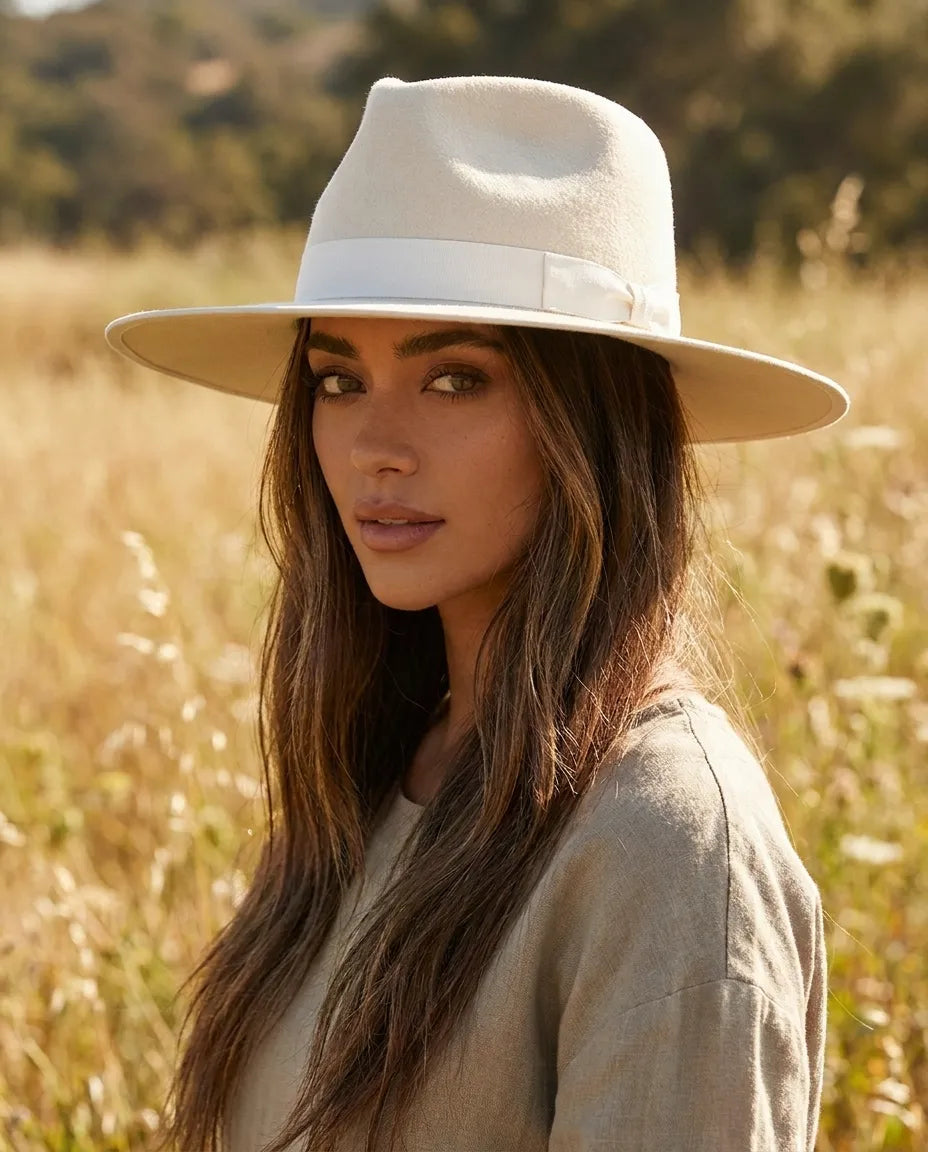
Wool hats are a good option for:
- Everyday fall and winter wear
- Chilly mornings and evenings
- Casual outdoor activities
- Layered outfits with coats and scarves
- People who prefer a softer, natural material
The exact warmth of a wool hat still depends on its construction. A lightweight wool hat will perform differently from a dense, structured winter hat.
Felt Hats: Structure, Coverage and Weather Protection
Felt hats are made by compressing and matting fibers into a dense material. Wool felt is one of the most common materials used for structured fall and winter hats, including fedoras, western hats and wide-brim styles.
Compared with a loosely knitted or lightweight wool hat, a dense felt hat can provide more structure and coverage. A well-designed felt hat can also help reduce the impact of wind around the head and face.
This makes felt particularly useful for people who want a combination of warmth, shape retention and weather coverage.
Felt hats work especially well for:
- Cold and windy days
- Fall and winter travel
- Outdoor gatherings
- Western-inspired outfits
- Classic or vintage-inspired wardrobes
- Dressier cold-weather looks
Wool vs Felt: What's the Difference?
One important point is that wool and felt are not necessarily two completely separate materials.
Wool describes a natural fiber, while felt describes a material created by matting fibers together. Many winter felt hats are actually made from wool felt.
That means the comparison is often really about different constructions rather than simply wool versus felt.
| Feature | Wool Hat | Felt Hat |
|---|---|---|
| Material | Wool or wool blend | Often wool felt |
| Feel | Soft and flexible | Denser and more structured |
| Warmth | Depends on weight and construction | Depends on felt density and construction |
| Wind protection | Varies | Often stronger with dense construction |
| Shape | Can be flexible | Usually holds its shape well |
| Style | Casual to classic | Fedora, Western, wide-brim and dress styles |
| Best for | Everyday cold-weather wear | Structured styles and outdoor coverage |
Which Is Warmer?
There is no universal answer.
The warmth of a hat depends on fiber type, material density, thickness, lining, fit and how much of the head and ears the design covers.
For example, a thick wool hat may feel warmer than a lightweight felt hat. On the other hand, a dense wool felt fedora with a substantial crown can provide better wind resistance and structure than a thin wool hat.
For genuinely cold conditions, look beyond the material name and consider the complete construction of the hat.
What About Wind and Light Rain?
Wind can make a cool day feel considerably colder. A densely constructed felt hat can be useful in these conditions because its compact surface provides more resistance than many lightweight knitted materials.
However, felt should not automatically be considered waterproof. Water resistance varies according to the fiber, finishing treatment and construction. If you expect heavy rain or snow, check the manufacturer's care and weather-resistance recommendations before wearing a felt hat outdoors.
Which Style Works Better for Fall and Winter?
Your choice can also depend on your wardrobe.
A soft wool hat works naturally with casual clothing, knitwear, puffer jackets and relaxed winter layers.
A wool felt fedora creates a more structured appearance and pairs well with wool coats, tailored jackets, boots and other classic pieces.
For a Western-inspired wardrobe, a felt cowboy hat can combine seasonal warmth with a defined crown and brim. The larger brim can also provide useful coverage from low winter sun and light precipitation.
How to Choose the Right Winter Hat
Instead of choosing based only on the label, consider these five factors:
1. Temperature
For mild fall weather, a lighter wool hat may be sufficient. As temperatures drop, look for denser materials and better coverage.
2. Wind
If your area is frequently windy, a structured felt hat may offer useful protection, particularly when combined with a well-fitting crown.
3. Coverage
A wider brim can provide additional protection from sun and light precipitation, while hats that cover the ears are more suitable when keeping the entire head warm is the priority.
4. Outfit
Choose a soft wool style for relaxed everyday clothing or a structured felt hat when you want a more defined silhouette.
5. Fit
Even a warm material will not perform well if the hat is too loose or uncomfortable. A secure but comfortable fit helps keep the hat in place when conditions become windy.
Wool Hats or Felt Hats: Which Should You Choose?
For casual everyday warmth, a wool hat can be a practical choice thanks to its natural softness and insulation.
For structured fall and winter style, particularly when you want a fedora, Western hat or wide-brim silhouette, wool felt offers a combination of density, shape and seasonal versatility.
And because many felt hats are made from wool, the distinction is not always a simple material-versus-material comparison.
The better approach is to consider the material, construction, thickness, coverage and weather conditions together. Once you know how and where you will wear your hat, choosing between wool and felt becomes much easier.


